 Engineered Longevity
Every Building Serves People. That's Who We Work For.
Most companies begin with a solution and work backward to justify it. Harvest begins with the building gathering the facts, understanding the problem, and determining what makes sense before recommending what happens next.


Step 1 — Listen
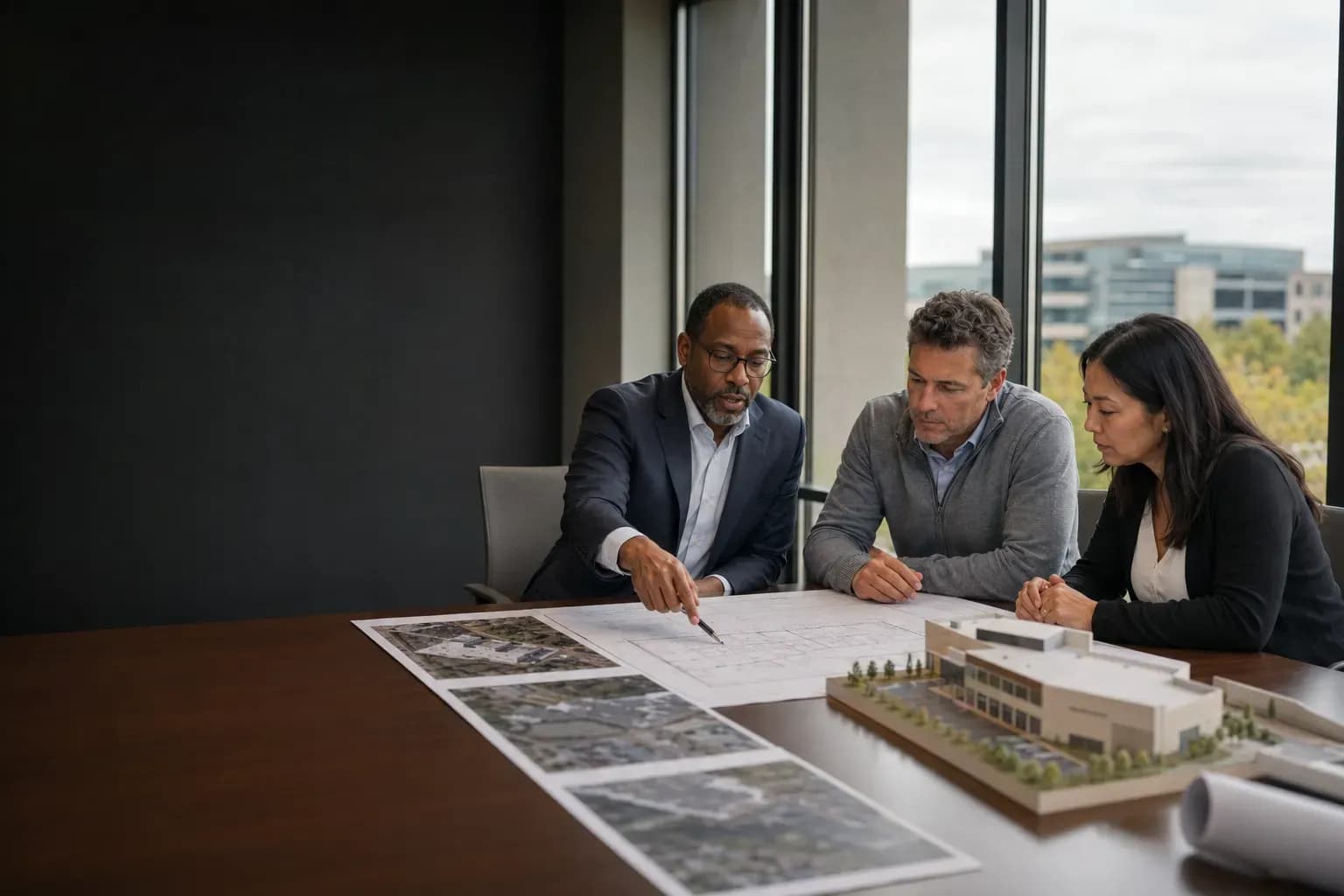
Every building has a history, and every owner has different priorities. We begin by understanding what is happening now, what has been repaired before, how the building is used, and what concerns the people responsible for it. We also consider operational priorities, budget cycles, occupancy, and long-term plans. Understanding the building comes before recommending a solution.
Step 2 — Evaluate
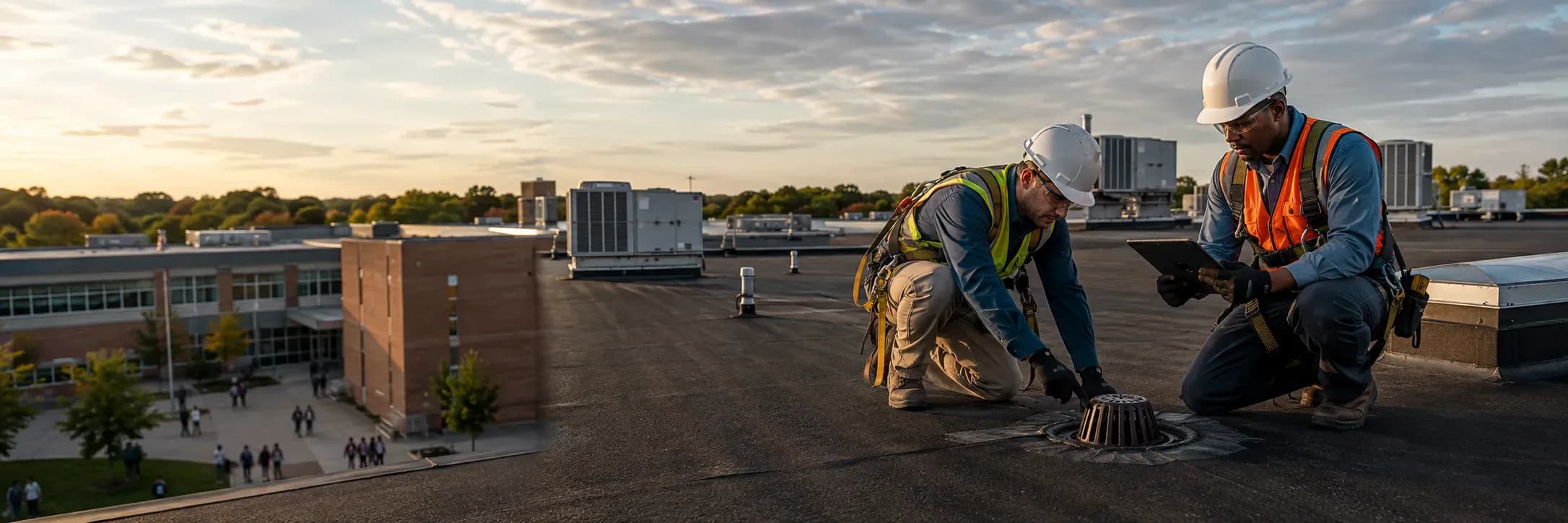
Roof and indoor environmental problems rarely begin where they first become visible. Harvest evaluates the conditions that may be contributing to the problem, including roofing details, moisture, ventilation, HVAC interaction, maintenance history, occupancy, and hidden risks. We look for the cause—not only the symptom.
Step 3 — Educate
Once we understand the conditions, we explain what we found in clear, practical language. What is still performing? What has failed? Where is the risk? What can be preserved? Which options make sense for the building? Better information leads to better decisions.
Step 4 — Recommend
Our recommendations are based on the building not on a product we want to sell. The right path may involve maintenance, restoration, replacement, ventilation improvements, moisture management, indoor environmental technology, or a phased strategy. Sometimes, the best recommendation is to leave a system in place and invest elsewhere.

Step 5 — Support
A recommendation is not the end of the relationship. Buildings change. Occupancy changes. Budgets shift. New concerns appear. Harvest remains available to answer questions, support implementation, evaluate performance, and help owners make informed decisions over the life of the building.
 Engineered Longevity
What you can expect
Honest communication. Including when the honest answer costs us the job. Evidence, not assumptions. Every recommendation traceable to something we observed. Practical solutions. Built around your building, not around a product line. Reliability. If we say we'll do it, we do it. If circumstances change, you hear it from us immediately. Long-term perspective. Decisions that still make sense in year twenty.
- 1
Honest Communication
We explain what we know, what we observe, and what still requires validation.
- 2
Evidence, Not Assumptions
Every recommendation should be traceable to actual building conditions.
- 3
Practical Solutions
Our recommendations are designed around the building, its occupants, its operations, and its long-term goals.
- 4
Clear Next Steps
We explain the available options, their implications, and what should happen next.
- 5
Long-Term Perspective
The goal is not simply to complete another project. It is to protect the building, the people inside it, and the investment already made.
Frequently asked questions
How long does an evaluation take?

The timeline depends on the size, complexity, accessibility, and condition of the building. Harvest prioritizes a thorough evaluation over a rushed conclusion.
What if you don't find a problem?
If the roof or indoor environment is performing as it should, we will say so. Confirming that no immediate action is needed is still a valuable result.
Do you only recommend products you sell?
No. Harvest begins with the building and the problem. If the right answer is maintenance, monitoring, another type of solution, or no immediate action, that is what we will recommend.
What happens after the evaluation?
We explain what we found, review the available options, answer your questions, and help you determine the most practical next step. There is no obligation attached to the conversation.
The First Step Is Understanding Your Building.
Before selecting a product, replacing a roof, or adding equipment, understand what is actually happening.